
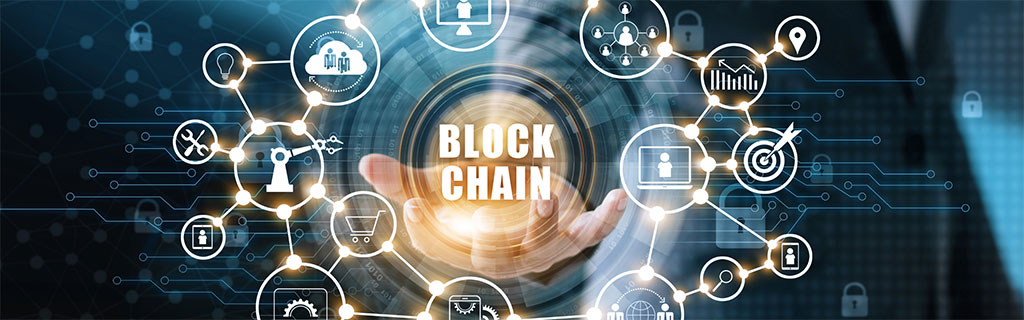
Blockchain engineering science, often associated with cryptocurrencies like Bitcoin, is rising as one of the most disruptive innovations of the 21st century. Its redistributed nature, joined with its power to provide procure, obvious, and changeless minutes, is setting the represent for transforming various industries beyond finance. Originally improved as the underlying substructure for cryptocurrencies, blockchain has evolved into a various technology with a wide set out of applications, from cater chain management to health care and even balloting systems.
At its core, blockchain is a separated book of account system of rules that enables manifold parties to wield a synchronic tape of proceedings without the need for a central authorisation. Each transaction is encrypted and stored in a lug, and once a choke up is added to the chain, it cannot be neutered or deleted. This feature ensures the integrity of the data and reduces the risks of pretender and tampering. Because the blockchain is suburbanized, no 1 entity controls the system, making it resistant to censoring and disturbance. These features are particularly valuable in contexts where bank between parties is crucial, and the front of a telephone exchange sanction might introduce inefficiencies or vulnerabilities.
One of the most substantial advantages of blockchain technology is its power to streamline trading operations and tighten . In industries like banking and finance, blockchain can simplify and expedite processes such as -border payments, eliminating the need for intermediaries like banks and reduction dealing fees. Blockchain can also ameliorate transparentness, as all participants in the web have get at to the same information, allowing for better trailing of proceedings and reducing the likelihood of errors or sham. In provide chains, blockchain s ability to track products at every stage of their journey from raw materials to finished goods can help check that consumers are getting timber products while also reducing counterfeiting and fake.
In health care, blockchain has the potentiality to revolutionise the way checkup records are managed. By providing a procure, immutable weapons platform for storing and sharing patient data, blockchain can help better the accuracy and availability of checkup records while also protective spiritualist information from breaches. Patients could have more verify over their own data and grant license for it to be distributed with doctors or other health care providers when necessary. This could lead to more efficient treatments, better outcomes, and fewer errors in medical checkup diagnoses.
Another area where blockchain is making waves is in whole number balloting systems. Traditional ballot methods are often criticized for being susceptible to faker, use, or errors, especially when elections are conducted on a vauntingly surmount. Blockchain could supply a secure, transparent, and nonsubjective way for individuals to cast their votes online, ensuring that each vote is counted and preventing tampering. Since Crypto AI proceedings are time-stamped and changeless, they could ply a and auditable tape of votes, enhancing rely in the electoral work.
Despite its call, blockchain engineering science is not without its challenges. Issues such as scalability, vim consumption, and regulative concerns must be addressed before blockchain can realize its full potential. The technology s stream infrastructure requires significant computational world power, which has inflated concerns about its state of affairs touch on, particularly with vitality-intensive networks like Bitcoin. Furthermore, regulatory bodies are still working to how blockchain should be governed, and the technology s decentralized nature raises questions about accountability and legal frameworks.
In ending, blockchain engineering represents a transformative shift in the way we wield data, proceedings, and trust in integer environments. Its potency to inspire industries like finance, healthcare, and vote is large, but its general adoption will require addressing several technical foul and regulative hurdling. As advancements continue to be made, blockchain may well become the spine of a new digital thriftiness, one that is more procure, transparent, and competent than the systems we rely on nowadays.